
Fuel Prices Keep Climbing: What Can Fleets Actually Control?

Diesel prices have climbed significantly in 2026, putting even more pressure on fleet operating budgets. According to the U.S. Energy Information Administration (EIA), the average U.S. on-highway diesel price rose from $3.477 per gallon on January 5 to $6.529 per gallon on September 21, an increase of nearly 88%.
Whether you're running heavy equipment on a construction site, dispatching service trucks for an oil and gas operation, or managing a trucking fleet with routes across the region, one thing stays the same: you can't control the market price of diesel.
But you can have more control how fuel is being used. Fleet fuel management starts with understanding where fuel is going across your vehicles and equipment and identifying areas where operational changes could reduce unnecessary consumption.
The Real Question Isn't Price It's Usage
When diesel prices rise, it's easy to focus on the number at the pump. But how fuel is being used across the fleet matters just as much.
Excessive idling, unnecessary mileage, underused vehicles, inefficient routing, deferred maintenance, and equipment running longer than needed can all contribute to higher fuel consumption.
One instance may not seem significant, but repeated across dozens or hundreds of vehicles and pieces of equipment, the costs add up.
Instead of only asking, "How do we absorb higher fuel costs?" fleets should also be asking, "Where are we using more fuel than we need to?"
Fleet Idling Costs More Than It Looks Like
Idling is an easy source of fuel waste to overlook. A truck idling in a yard, a piece of equipment left running between jobs, or a service vehicle waiting at a site may not seem like a major expense. But those hours add up across a fleet.
For construction and oil and gas fleets, equipment may continue running while crews wait on materials, permits, or the next task. For trucking and service fleets, vehicles may idle during stops, deliveries, loading, or other periods when the engine doesn't need to be running.
Tracking engine hours and idle time can show fleet teams where this is happening. From there, they can determine whether changes to scheduling, driver habits, or jobsite processes could reduce unnecessary idling.
Where Fleets Can Reduce Fuel Waste
Most fleets already have information that can help them find areas of unnecessary fuel use. The bigger challenge is bringing that information together and knowing what to look for.
A few areas to watch include:
Tire Pressure and Health: Underinflated tires increase rolling resistance and can contribute to higher fuel consumption. Monitoring tire pressure can help fleets catch issues before they continue mile after mile.
Asset Utilization: Knowing how often a vehicle or piece of equipment is actually working versus sitting idle or underused can help fleets make better decisions about where assets are needed and whether every asset currently being operated is necessary.
Engine-Hours and Mileage: Looking at engine hours, mileage, and asset activity together can help uncover equipment running longer than expected or vehicles accumulating unnecessary miles.
Maintenance: Vehicle and equipment condition can affect fuel efficiency. Tire issues, alignment problems, overdue service, and other maintenance needs can cause assets to work harder. Connecting maintenance needs with operating data can help teams identify issues before they continue affecting fuel use.
Routing and Movement: Extra mileage, avoidable traffic, inefficient routes, and unnecessary trips between jobsites or yards can all increase fuel consumption.
The goal isn't simply to use less fuel. It's to make sure the fuel you're already buying is being put toward productive work. Learn more about fleet fuel management.
Reducing Unnecessary Miles and Movement
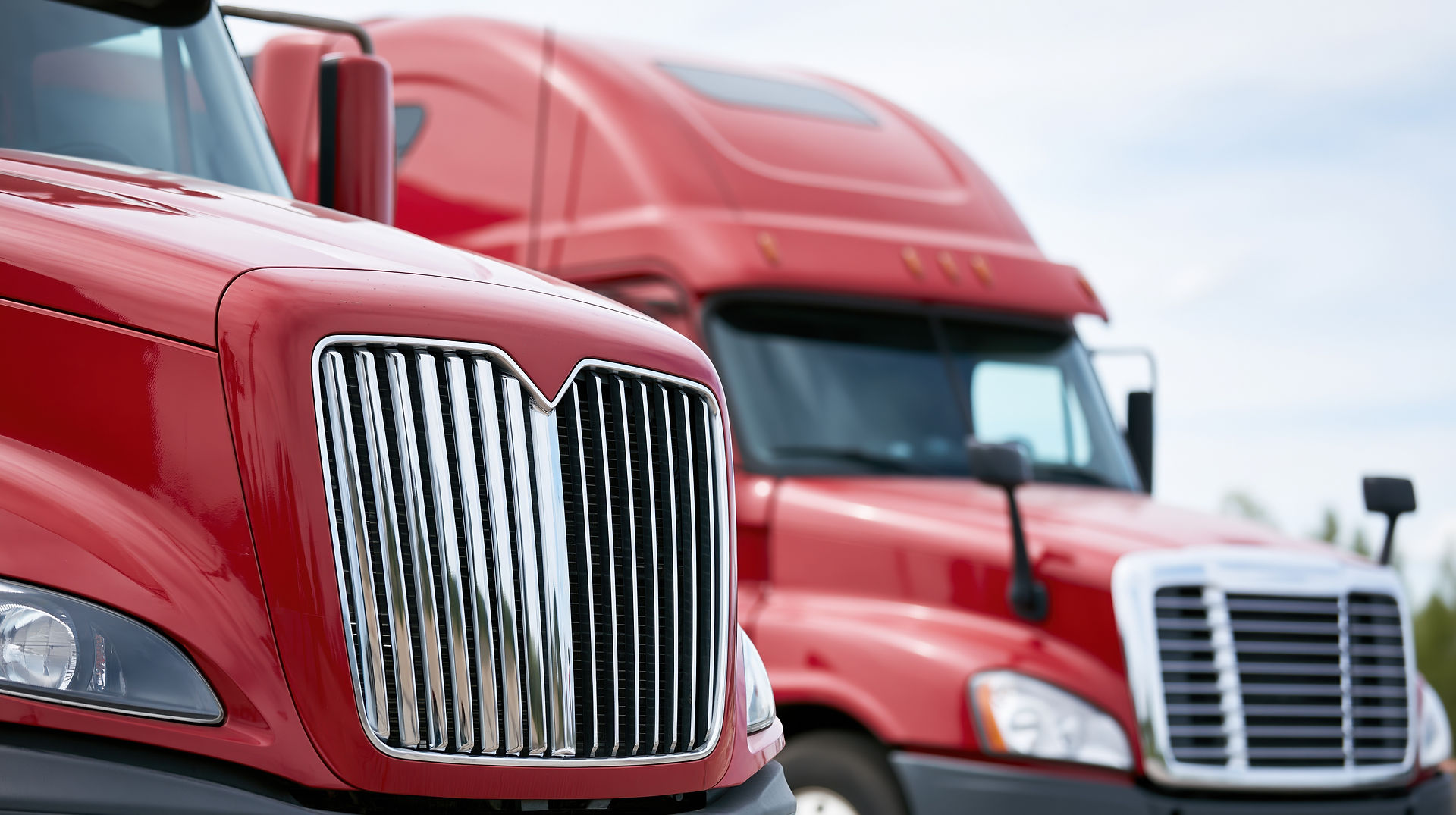


For trucking and private fleets, route planning can have a direct impact on fuel use. Extra mileage, avoidable traffic, inefficient routes, and poorly sequenced stops can add up quickly across vehicles running multiple routes each day.
Construction, oil and gas, and service fleets face a similar issue. Equipment and vehicles move between jobsites, yards, customer locations, and field operations. If an asset is at the wrong location or a vehicle has to make an unnecessary trip between sites, more time and fuel are spent getting the work done.
Knowing where vehicles and equipment are, how they're being used, and where they're needed next can help teams make more informed scheduling and deployment decisions.
Better Fuel Decisions Start with Connected Visibility
Managing fuel costs starts with knowing what's happening across your fleet.
Engine hours show how long equipment is running. Mileage shows how far vehicles are traveling. Utilization data can point to assets that are being used too much or not enough. Maintenance and tire data can help identify issues that may be affecting fuel use.
Individually, each piece of information tells part of the story. Looking at them together gives fleet teams a clearer picture of how vehicles and equipment are actually being used and where opportunities for improvement may exist.
Fuel data can also provide useful context when planning next year's operating budget. Knowing where consumption is highest, which vehicles or equipment are using more fuel than expected, and where routing, maintenance, or utilization could be improved gives teams a clearer picture of where their fleet dollars are going.
The Bottom Line
Fleets can't control what diesel will cost next week, next month, or next year. They can have more control how their vehicles and equipment are being used.
Tracking idling, mileage, utilization, tire health, maintenance, and asset movement can help uncover unnecessary fuel use and identify opportunities to lower operating costs.
Fuel prices will change. Having a better understanding of how your fleet operates can help you make more informed decisions no matter what happens at the pump.
Want to see where your fleet may be losing money to fuel inefficiency? Contact Pedigree Technologies to see how connected fleet and asset data can help identify opportunities to improve efficiency.