
5 Ways Fleet Safety Technology Reduces Risk — and What to Look for in 2026
Published in honor of National Safety Month | June 2026
Every June, the National Safety Council encourages organizations to take a closer look at how they protect their people. For fleet operators, fleet safety isn't just a monthly priority — it's a daily operational responsibility that affects drivers, equipment, and everyone sharing the road.
The challenge is that many fleet safety risks aren't visible until it's too late. A distracted driver, a worn tire, or an undetected fault code can quickly escalate into a serious incident — or worse, a fatality. That's why more fleets are turning to fleet safety technology and telematics solutions to stay ahead of risk instead of reacting after the fact.
Here are five proven ways technology can make your fleet safer, and the specific tools leading fleets are using right now.
1. Improve Driver Visibility with Fleet Camera Systems
Limited visibility is one of the most common causes of fleet accidents, especially in larger commercial vehicles. Blind spots, congested job sites, and heavy traffic make it significantly harder for drivers to perceive their full surroundings.
Modern fleet camera systems and in-cab cameras address this directly by giving drivers a comprehensive, multi-angle view while they operate — covering the rear, sides, and front of the vehicle simultaneously, rather than relying solely on mirrors.

Benefits of fleet camera systems include:
Fewer low-speed incidents and backing accidents
Improved maneuverability in tight or congested environments
Faster response to changing traffic conditions
Reduced vehicle damage and repair costs
Beyond the safety metrics, in-cab cameras also reduce driver stress. When drivers feel more situationally aware and in control, they tend to make better decisions behind the wheel — and that confidence compounds over time.
2. Prevent Breakdowns with Predictive Maintenance and TPMS
A vehicle stranded on the shoulder of a busy highway is more than an operational headache — it's a dangerous situation for the driver and for passing motorists. Unplanned breakdowns are one of the most preventable causes of fleet incidents.

Predictive maintenance technology eliminates the guesswork by continuously monitoring vehicle health data — engine performance, fault codes, and key operating metrics — so fleet managers can identify and resolve issues before they lead to roadside failures.
Tire Pressure Monitoring Systems (TPMS) add a critical second layer of protection. Tires are among the most common causes of roadside emergencies, yet they're frequently overlooked until there's a problem. With real-time TPMS alerts, fleets can detect slow leaks, underinflation, and overheating before conditions deteriorate into blowouts.
Together, predictive maintenance and TPMS improve fleet maintenance safety by:
Reducing unplanned downtime
Improving overall vehicle roadworthiness
Preventing emergency breakdowns that put drivers in harm's way
Lowering repair costs through early intervention
3. Coach Drivers in Real Time with AI Dash Cameras
Driver behavior is one of the largest controllable variables in fleet safety — but without the right tools, it's nearly impossible to manage proactively. Traditional coaching happens after an incident, when the window to prevent it has already closed.
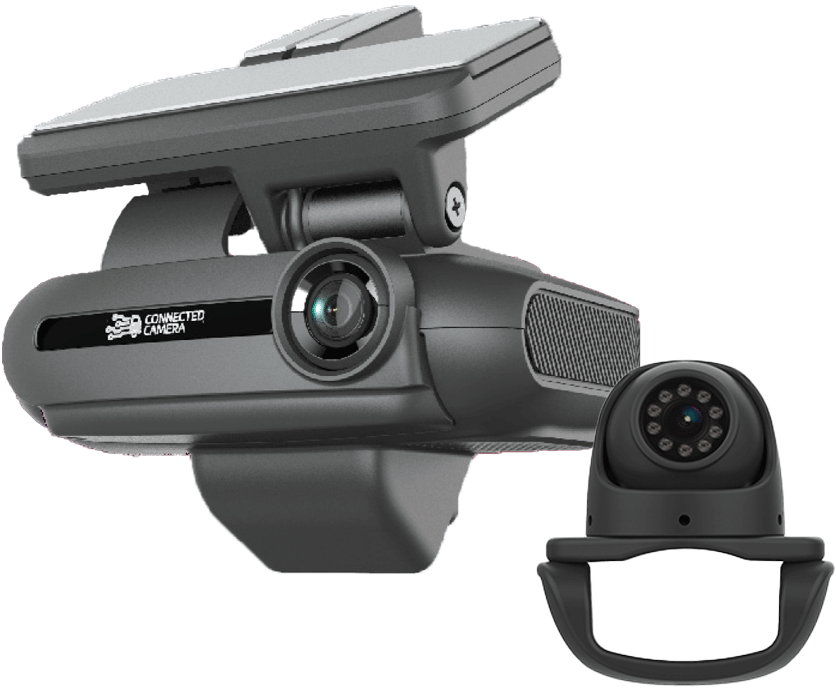
AI-powered dash cameras change that equation entirely. These systems detect risky driving behaviors — distracted driving, harsh braking, speeding, tailgating — and deliver an immediate in-cab alert so drivers can self-correct in the moment, not days later in a review meeting.
Pedigree Technologies' PM-65 Camera is built for exactly this use case, providing AI-driven event detection and real-time driver feedback that helps build lasting safer habits.
Why real-time driver coaching outperforms traditional approaches:
Feedback is tied to a specific, real event — not a general policy reminder
Drivers correct behavior immediately, reducing repeat violations
Managers receive objective, data-based coaching material
Drivers often view in-cab alerts as support rather than surveillance
Over time, this approach shifts the dynamic from disciplinary to developmental — and that cultural shift is where lasting safety improvement happens.
4. Strengthen Emergency Response with Real-Time GPS Fleet Tracking
When something does go wrong on the road, every minute counts. Knowing exactly where a vehicle is — and what's happening around it — can be the difference between a fast, effective response and a delayed one.
GPS fleet tracking provides live location data and real-time status updates, enabling fleet managers to respond immediately when an emergency occurs. If a vehicle is involved in an accident, the system can pinpoint its location within seconds and relay critical details to first responders.
Real-time visibility also enables proactive intervention before a situation becomes an emergency. If a driver encounters severe weather, road closures, or unsafe road conditions, fleet managers can contact them immediately with guidance — or reroute them to a safer path before a dangerous situation develops.
Key GPS fleet tracking safety benefits:
Immediate location identification in accidents or emergencies
Faster communication with drivers in hazardous conditions
Proactive rerouting to avoid unsafe routes
Better data for post-incident analysis and liability protection
Faster information leads to faster decisions, and faster decisions protect drivers when it matters most.
5. Build a Safety Culture with Driver Scorecards and Fleet Safety Monitoring
Consistent safe driving isn't achieved through a single training session — it requires ongoing feedback, clear benchmarks, and a culture where safety is a shared value rather than a compliance checkbox.
Driver scorecards transform raw telematics data into clear, actionable performance insights. By tracking behaviors like speeding, harsh braking, rapid acceleration, and idling, scorecards give each driver a transparent picture of their performance relative to benchmarks — and give managers the data they need to coach meaningfully.

Real-time alerts close the loop continuously, notifying drivers the moment risky behavior is detected so they can adjust immediately rather than waiting for a weekly review.
Over time, driver scorecards and fleet safety monitoring help:
Build driver self-awareness and accountability
Reduce insurance liability through documented safe driving behavior
Recognize and reward improvement — not just penalize incidents
Establish a data-driven safety culture across the entire fleet
When safety is tied to real data and individual performance, it stops being an abstract policy — it becomes personal. Drivers own their scores, and managers have the tools to support their growth.
Fleet Safety Technology in 2026
Fleet safety is no longer just about policies, training manuals, and post-incident reviews. The most effective safety programs in 2026 use fleet telematics and connected technology to prevent incidents before they happen — and to actively support drivers every mile they travel.
From improved visibility and proactive maintenance to real-time AI coaching and rapid emergency response, today's fleet safety tools give organizations the ability to reduce risk at scale, improve driver retention, and operate with confidence.

National Safety Month is a great time to take a step back and evaluate how your fleet is using technology. Small changes can lead to meaningful improvements, and the right solutions can make a lasting impact on driver safety.
Inside a connected platform like OneView, fleets can consolidate driver behavior data, vehicle health monitoring, and operational visibility into a single source of truth — turning data into action, and action into safety outcomes.
Ready to improve safety across your fleet? Chat with the Pedigree Technologies team today to learn more about fleet telematics, predictive maintenance, and driver safety solutions.
Frequently Asked Questions About Fleet Safety Technology
What is fleet safety technology?
Fleet safety technology refers to hardware and software solutions — including GPS tracking, AI dash cameras, predictive maintenance systems, TPMS, and driver scorecards — that help fleet managers monitor, manage, and improve driver safety and vehicle performance in real time.
How do AI dash cameras and telematics work together to improve fleet safety?
AI dash cameras detect risky driving behaviors such as distracted driving, harsh braking, and speeding as they occur, and deliver immediate in-cab alerts to help drivers self-correct. This real-time coaching reduces repeat violations and helps build safer long-term driving habits.
What is predictive maintenance in fleet management?
Predictive maintenance uses real-time vehicle health data — including engine diagnostics, fault codes, and sensor readings — to identify potential issues before they cause breakdowns or roadside emergencies. This reduces unplanned downtime and improves driver safety by keeping vehicles in safe operating condition.
What is TPMS and why does it matter for fleets?
A Tire Pressure Monitoring System (TPMS) continuously monitors tire pressure and temperature across a fleet's vehicles. It sends alerts when a tire is underinflated, overheating, or losing pressure, helping prevent blowouts and roadside incidents before they occur.
How do driver scorecards help reduce fleet accidents?
Driver scorecards translate telematics data into individual performance scores, tracking behaviors like speeding, harsh braking, and rapid acceleration. This creates accountability, enables targeted coaching, and helps build a culture of safe driving across the entire fleet.