
5 Ways Fleet and Asset Management Software Improves Safety & Efficiency for Environmental Fleets
Environmental service providers operate under complex conditions, juggling compliance requirements, specialized equipment, and assets spread across multiple job sites. Staying safe, efficient, and profitable can feel like a constant challenge.
Pedigree Technologies’ connected fleet and asset management software helps drive safety, efficiency, and operational visibility across every aspect of environmental services.
Here are five ways connected technology is making a measurable difference:
1. Stay Audit-Ready with Smarter ELD & Compliance Tools
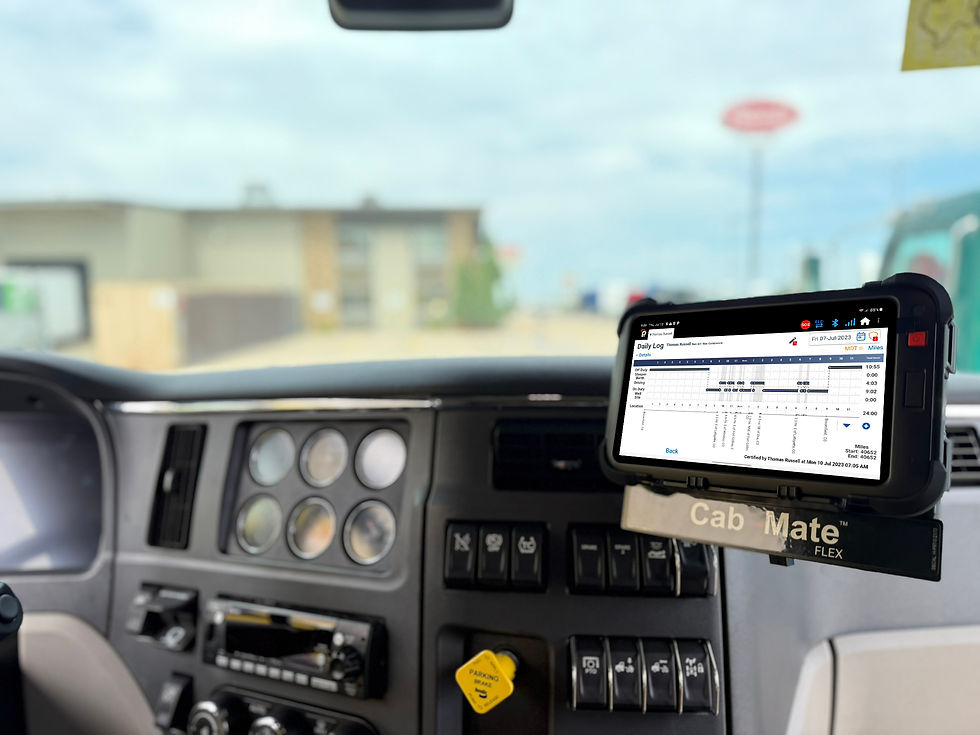
Environmental fleets often operate under the same DOT regulations as long-haul carriers, but often with added complexity from specialty equipment and multi-use vehicles. Electronic Logging Devices (ELDs) help keep drivers compliant. Dashboards and driver alerts give managers visibility into risky behavior before it leads to violations.
Some fleets are even using mock audits with compliance partners to ensure they’re fully prepared when DOT comes knocking. The result? Fewer fines, smoother audits, and confidence that drivers and managers are aligned.
2. Streamlining Specialized Equipment Inspections
Standard Driver Vehicle Inspection Reports (DVIRs) don’t cover the full range of equipment used in environmental services. From vacuum systems to pumps and blowers, operators need a way to inspect specialized machinery without sidelining the entire truck.
With customizable digital inspection forms, fleets can separate vehicle roadworthiness checks from specialized equipment inspections. That means defects are still captured and tracked, but trucks aren’t pulled out of service for equipment issues that don’t affect safety.
3. Reducing Risk and Cost with Dash Cameras
Insurance requirements are another growing challenge. Many providers now require video evidence for claims, but fleets are using cameras for much more.
Forward-facing and auxiliary cameras help:
Protect drivers from false accident claims
Lower insurance premiums with verifiable safety records
Capture proof for accident reports and equipment use
By turning a compliance requirement into a tool for cost savings and stronger driver protection, cameras deliver ROI far beyond risk mitigation.
4. Eliminate Paperwork and Gain Real-Time Visibility
Paper forms are slow, error-prone, and easy to lose. By switching to digital forms, environmental fleets cut down on paperwork, improve accuracy, and enable mobility.
From driver inspections to bills of lading to worksite service logs, digital records create real-time visibility and create a secure system that keeps everyone aligned—from operators in the field to managers in the office.
5. Gaining Total Asset Visibility

With a fleet mixed of semis, trailers, roll-off bins, vacuum trucks, porta potties and other specialized equipment, keeping track of assets is a constant struggle. GPS tracking and BLE tags provide fleets a single source of truth asset location and usage.
This visibility prevents lost assets, improves dispatching, speeds up response times, and enhances customer service. The result is better accountability and higher profitability.
Smarter Operations, Safer Fleets
Fleet and asset management isn’t just about compliance; it’s about giving environmental service providers the tools to work smarter. From compliance and inspections to cameras, digital forms, and asset tracking, connected technology helps fleets cut costs, improve safety, and deliver results their customers can count on.
Want to see how connected fleet management can transform your environmental services operation? Contact us today!